Choosing the right wine hamper can feel like picking a favorite pair of socks—comforting, but you also want it to make a statement. For a small business, the right hamper is more than a gift; it’s a marketing tool, a customer‑appreciation strategy, and sometimes a morale booster for the team. In this guide, we’ll explore the best wine hamper options for a small business, breaking down the criteria that make a hamper truly valuable, and offering practical tips for selecting, customizing, and delivering these liquid gifts with flair.
Why Wine Hamper Choices Matter to Small Businesses
Wine hampers are often the “secret sauce” behind many client‑retention plans. When you hand over a carefully curated box of Prosecco gift baskets bottles, you’re not just giving wine—you’re offering an experience that can leave a lasting impression. Think of it as a handshake that says, “We value you and want to share something special.” The right hamper can:
- Elevate brand perception: A premium hamper signals quality and attention to detail. Encourage repeat business: A thoughtful gift can turn a one‑time customer into a loyal patron. Boost employee morale: Treating staff to a celebratory hamper can reinforce a positive workplace culture.
So, what are the best wine hamper options for a small business? The answer depends on your goals, budget, and audience. Let’s dive into the key factors that shape a great hamper.
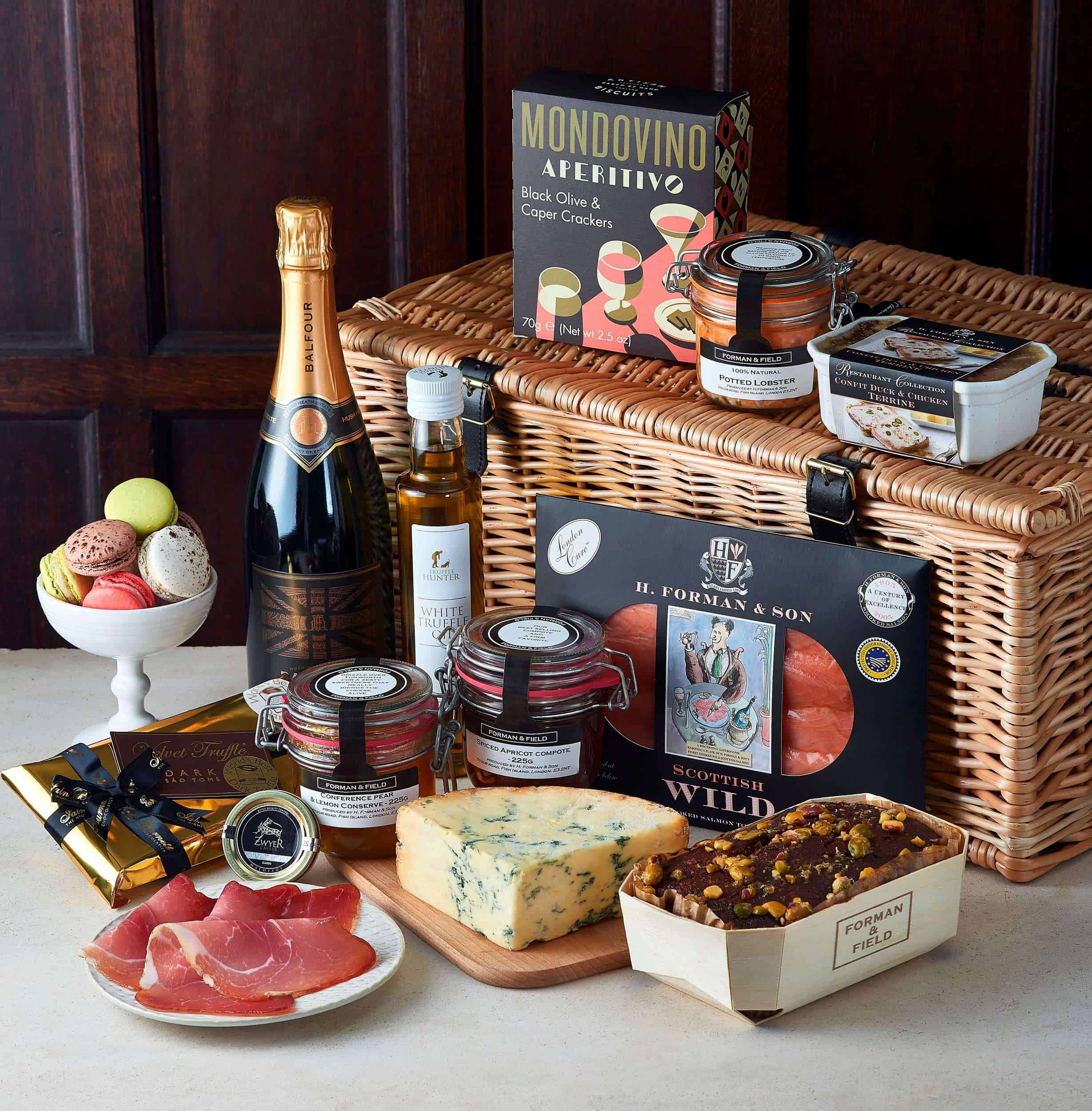
1. Define Your Purpose
Before you start browsing suppliers, ask yourself: What do I want to achieve?
- Client appreciation: Aim for elegance and sophistication. Team celebration: Opt for a mix of fun and refined selections. Promotional giveaway: Balance cost with brand visibility.
2. Know Your Audience
A wine hamper that delights a corporate executive may not resonate with a startup founder who prefers craft beers. Consider:
- Demographics: Age, gender, and cultural background can influence wine preferences. Taste profile: Some customers love bold reds, others lean toward crisp whites or sparkling. Dietary restrictions: Ensure you have options for those who avoid alcohol.
3. Budget Wisely
Small businesses often operate on tight margins, so it’s crucial to match quality with cost. A well‑planned hamper can be:
- Economical: A curated selection of 3–5 bottles with a modest wrapper. Mid‑range: 5–8 bottles plus a themed gift (e.g., cheese board). Premium: 10+ bottles, personalized labels, and deluxe packaging.
Remember, the cost of the hamper is only part of the equation; shipping, taxes, and handling can add up quickly.
Selecting the Right Supplier
Finding a supplier that aligns with your vision is as important as choosing the right wines. Here are the top criteria to evaluate:

Reputation and Reliability
- Reviews: Look for consistent positive feedback on platforms like Trustpilot or Google Reviews. Delivery track record: Timely, intact deliveries are non‑negotiable. Customer support: A responsive team can resolve issues before they become headline news.
Customization Options
A generic hamper is like a plain T‑shirt—safe but forgettable. Seek suppliers that offer:
- Personalized labels: Add your logo or a heartfelt message. Theme‑based bundles: Seasonal, regional, or industry‑specific themes. Packaging choices: From rustic wooden crates to sleek glass cases.
Wine Selection Expertise
- Curated collections: A knowledgeable curator can recommend bottles that complement each other. Diverse range: Availability of red, white, rosé, sparkling, and dessert wines. Local sourcing: Highlighting regional vineyards can create a unique story.
Pricing Transparency
Avoid hidden fees. Ensure the quote includes:
- Bottle cost Packaging Shipping Taxes Any optional add‑ons
Crafting the Perfect Hamper: Key Components
Once you’ve chosen a supplier, the next step is assembling the hamper. Think of it as a mini‑concert: each wine is a soloist, and the packaging is the conductor.
1. Wine Selection
- Balance: Include at least one red, one white, and one sparkling to cover most palates. Quality over quantity: A single well‑chosen bottle can outshine a dozen mediocre ones. Specialty items: Consider a vintage, a limited‑edition, or a local gem to add intrigue.
2. Complementary Accessories
- Wine glasses: A pair of matching glasses can elevate the experience. Tasting notes: Printed cards with tasting notes and pairing suggestions. Cheese or charcuterie: A small board or a selection of artisanal meats.
3. Presentation
- Packaging: A sturdy wooden crate, a sleek metal box, or a recycled cardboard basket—each tells a different story. Decor: Ribbons, twine, or a custom banner can add a personal touch. Labeling: A handwritten note or a printed card that conveys gratitude.
4. Logistics
- Shipping method: Choose a carrier that offers temperature control if necessary. Tracking: Provide recipients with a tracking number to build anticipation. Insurance: Protect against loss or damage—especially for high‑value hampers.
Real‑World Success Stories
A mid‑size marketing firm in Austin gave a wine hamper to a key client after a successful campaign. The hamper included a 2018 Cabernet Sauvignon, a 2020 Chardonnay, and a bottle of Prosecco, all wrapped in a custom‑printed box with the client’s logo. The client not only continued the partnership but also referred three new accounts. “It was the perfect mix of sophistication and surprise,” the client later said.
Another boutique coffee shop in Brooklyn used wine hampers as a seasonal giveaway during the holiday rush. Each hamper featured a local vineyard’s sparkling wine, a small jar of artisanal honey, and a handwritten thank‑you card. The campaign drove a 15% increase in foot traffic and a 20% spike in social media engagement.
These anecdotes illustrate that a well‑chosen wine hamper can be a catalyst for growth, not just a nice gesture.
Frequently Asked Questions
How often should I give wine hampers to clients?
A good rule of thumb is to give a hamper once a quarter for high‑value clients or after major milestones. This keeps the gesture special without becoming routine.
Can I include non‑alcoholic options?
Absolutely. Many recipients appreciate a non‑alcoholic sparkling or a premium tea. Including a mix can broaden the appeal.
What if a client refuses the hamper?
If a client declines, thank them politely and offer a small alternative, like a gift card. The gesture still shows you value the relationship.
Making Your Selection Count
Choosing the best wine hamper options for a small business isn’t just about the bottles—it’s about crafting an experience that resonates with your audience and reflects your brand’s values. Here’s a quick checklist to keep you on track:
- Define purpose: Client appreciation, team celebration, or promotion. Know the audience: Preferences, demographics, and cultural nuances. Set a budget: Balance quality with cost, including shipping and taxes. Select a reliable supplier: Reputation, customization, wine expertise, pricing transparency. Curate the hamper: Balanced wine selection, complementary accessories, thoughtful presentation, and secure logistics.
Remember, a wine hamper is a bottle of opportunity—filled with potential to strengthen relationships, boost morale, and elevate your brand. Pick wisely, personalize thoughtfully, and watch the ripples of appreciation spread across your business network. Cheers to making every pour count!